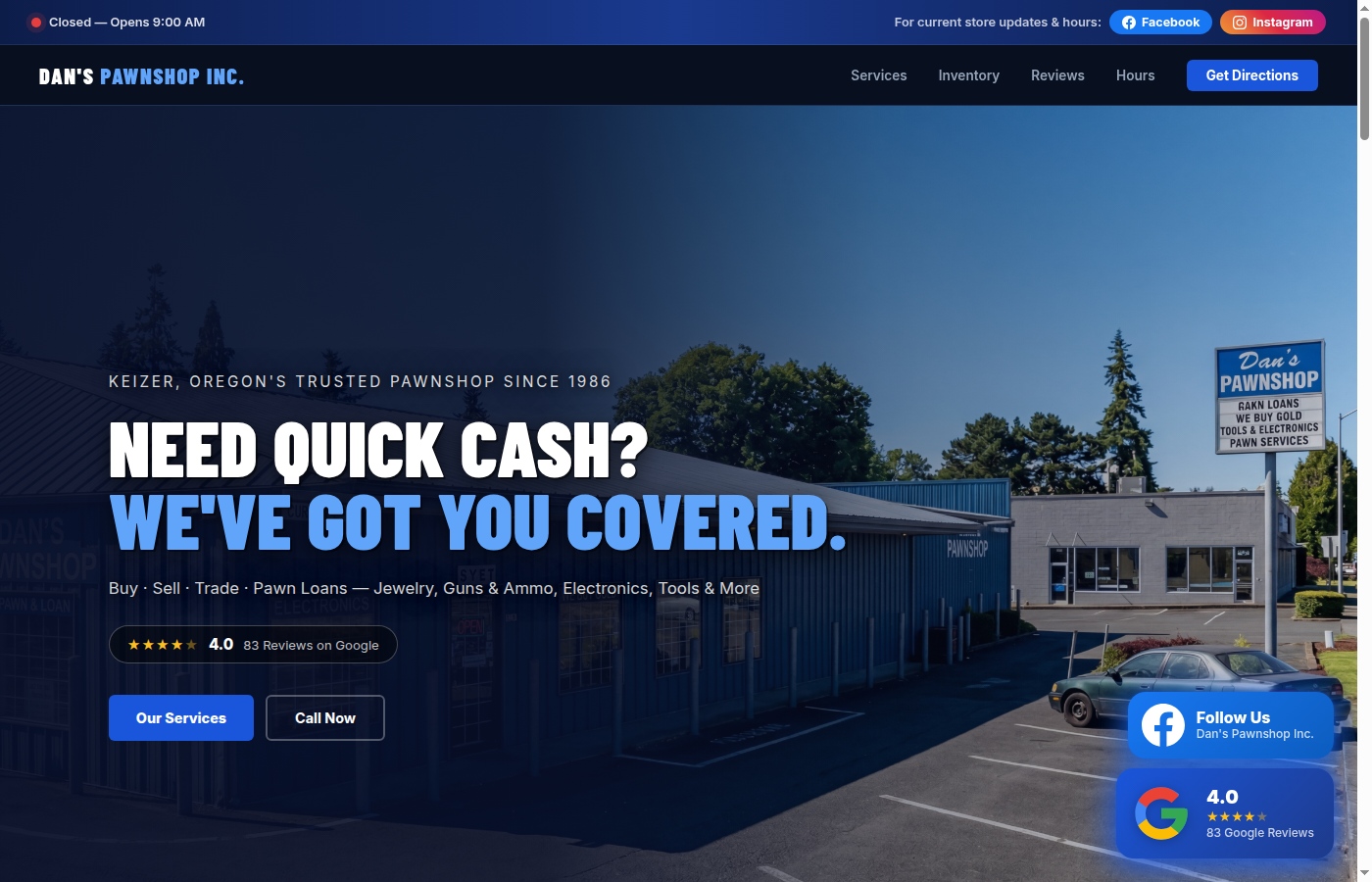
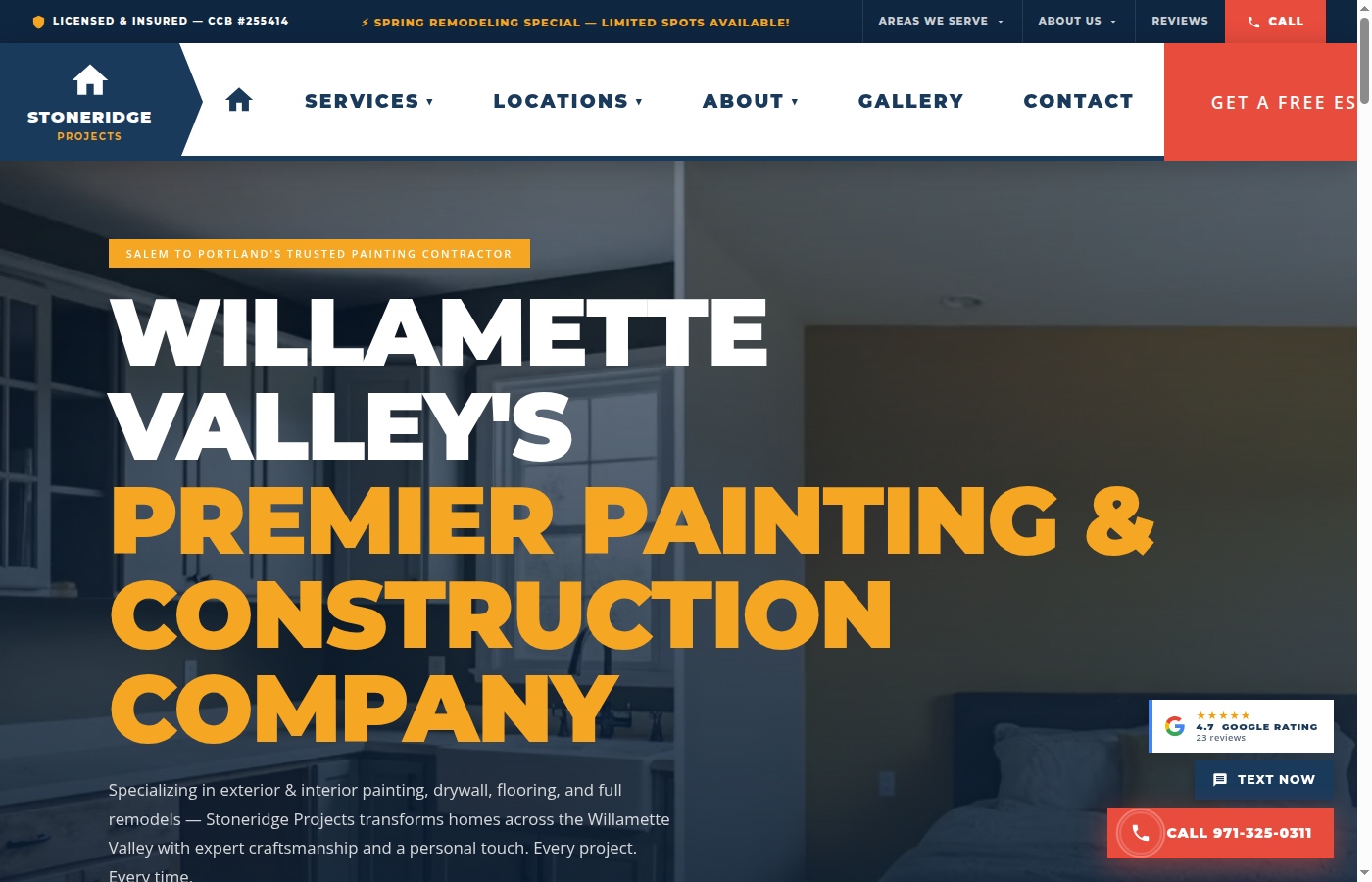
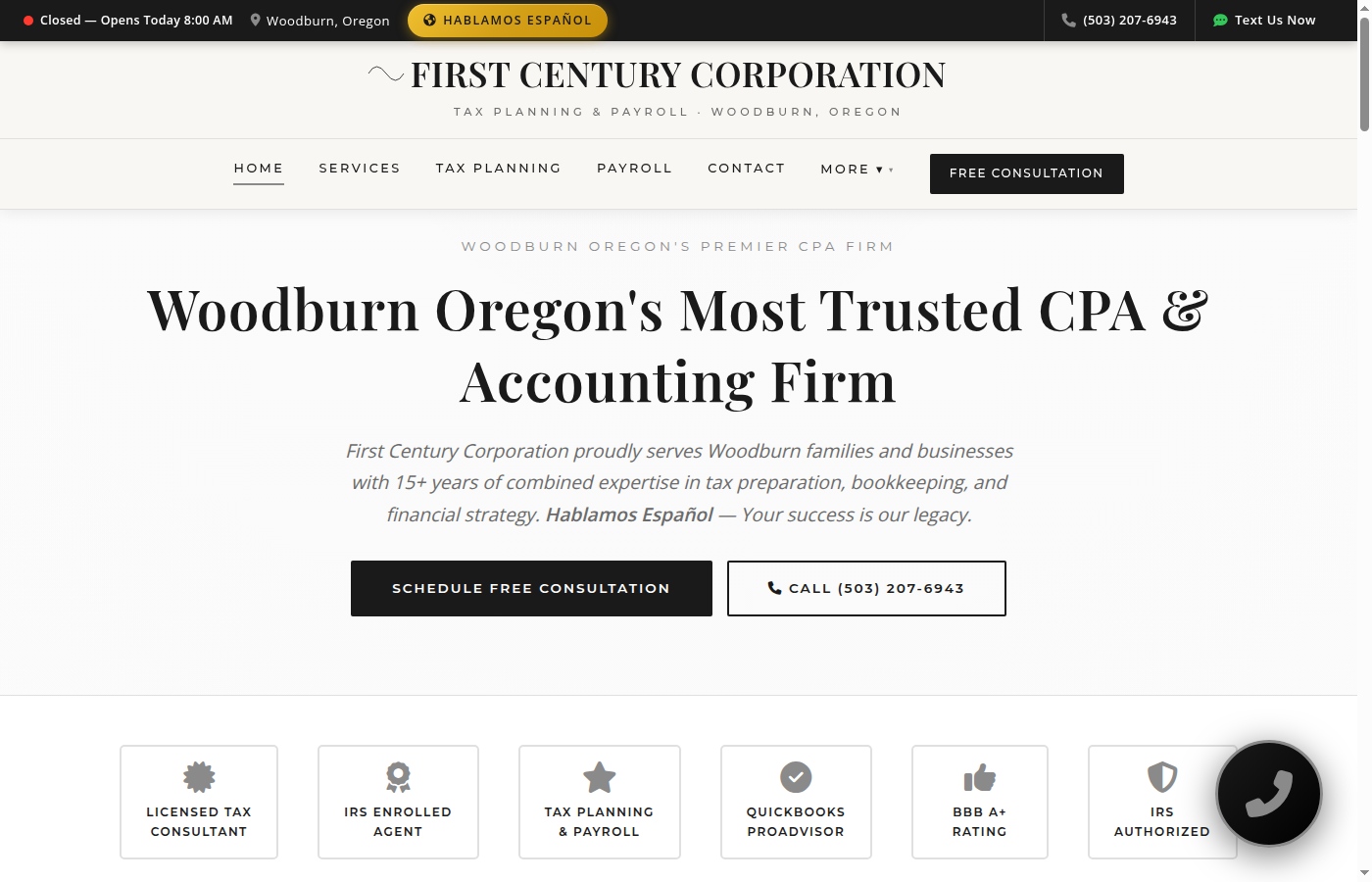
After building websites for Oregon businesses across Salem, Portland, and everywhere in between, we see the same mistakes over and over. Here are the ten most costly — and what to do instead.
Mistake 1: No Phone Number in the Header
Your phone number should be visible on every single page of your website without scrolling. On mobile, it should be a tap-to-call link. The header is the most valuable real estate on your site — use it. We've seen contact forms buried three pages deep while potential customers are ready to call right now.
Mistake 2: A PDF Menu (For Restaurants)
Google cannot read PDFs effectively. A PDF menu is invisible to search. Put your menu in HTML text on a dedicated page, organized by category. This alone can double the number of keywords your restaurant ranks for.
Mistake 3: Listing All Services on One Page
A single "Services" page covering 12 different things you do ranks for almost nothing. Each service deserves its own page with its own targeted title, description, and local keywords. "Kitchen Remodel Salem Oregon" is a specific page that can rank for a specific search. "Services" ranks for nothing.
Mistake 4: No Google Reviews on the Website
Your Google reviews exist — don't hide them from website visitors. Display your star rating and review count in your navigation, hero section, or testimonials section. Social proof converts browsers into callers. A business with " 47 Google Reviews" in their nav converts at a significantly higher rate than one without it.
Mistake 5: Using Your City Only in the Footer
Saying "Salem, Oregon" only in your footer address is not enough for local SEO. Your city should appear naturally in your page title, meta description, H1 heading, first paragraph, and at least 3–5 times throughout the body content of every location-targeted page. Google needs to see it as a primary signal, not an afterthought.
Mistake 6: No Mobile Call Button
Over 60% of local searches happen on mobile. If your mobile site doesn't have a visible "Call Us" button that's easy to tap, you're losing those leads. Add a fixed bottom bar with a call button, or make your phone number in the header a prominent green button on mobile.
Mistake 7: Slow Site Speed
Google uses page speed as a direct ranking factor. A site that takes more than 3 seconds to load on a mobile connection loses rankings and visitors. Common culprits: uncompressed images, too many third-party scripts (chat widgets, tracking pixels, social feeds), and cheap shared hosting. Run your site through Google PageSpeed Insights and fix whatever it flags.
Mistake 8: No Schema Markup
LocalBusiness schema is structured data that tells Google exactly what your business is, where it is, and what it does. Most Oregon small business websites have zero schema markup — which means Google has to infer this information from your page content. Adding schema can improve how you appear in search results and help you rank for more local searches.
Mistake 9: No Blog or Regularly Updated Content
Google rewards websites that add fresh, relevant content regularly. A business that hasn't updated its website in two years looks stagnant to Google's algorithm. A blog with 1–2 posts per month targeting local topics ("best plumbing tips for Salem Oregon winters," "how to find a licensed contractor in Marion County") builds topical authority over time and ranks for long-tail searches your competitors ignore.
Mistake 10: Building a Pretty Website Instead of a Converting One
The goal of your website is not to look impressive — it's to get visitors to call, text, or fill out a form. A beautiful website that has no clear CTAs, buries contact information, and doesn't load fast on mobile is aesthetically interesting and commercially useless. Design serves conversion, not the other way around.
Need a Website for Your Oregon Business?
We build fast, custom, SEO-optimized websites for local Oregon businesses. Live Fast.